Philip Sidney

Definition and stakes

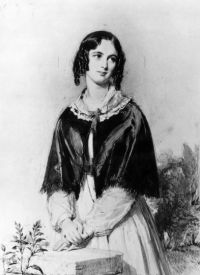
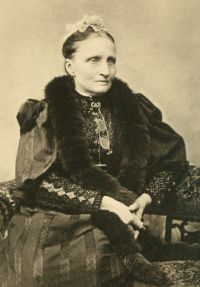
Portrait of Emma Marshall Emma Marshall,  Penshurst Castle in the Time of Sir Philip Sidney

“ As Philip Sidney paced under the shadow of the beeches, the deep bronze of fallen leaves at his feet glowing here and there into living gold, as the low rays of the eastern sun shone through the branches, thinly veiled, as yet, with tender green, to any casual observer, he did not wear the appearance of a man whose heart knew any bitterness or was weighted with any burden. ”
Source: Gutenberg

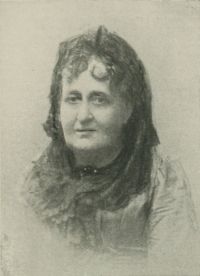
Portrait of Grace Greenwood Grace Greenwood,  Stories and Legends of Travel and History…

“ During that same year he was knighted by the queen at Windsor, and became Sir Philip Sidney.
By the time that he reached the age of thirty, the fame of his many splendid qualities—his learning and literary talent, his bravery, and, above all, his noble honesty—had spread over Europe, while in England, he was the glory of the court and the idol of the people.
There are a kind of little great men who seek to impose on you by pompous ways, proud looks, and high-sounding words; but there was no such poor pride and pretension about Sir Philip Sidney.
”
Source: Gutenberg

Portrait of Emma Marshall Emma Marshall,  Penshurst Castle in the Time of Sir Philip Sidney

“ Anyone who had seen Philip Sidney as he threw himself on a settle when Fulke Greville and Edward Dyer had left him, and had watched the profound sadness of his face as he gave himself up to meditation on the sorrow which oppressed him, would have found it difficult to imagine how the graceful courtier, who that evening after the banquet at Whitehall led the Queen, as a mark of especial favour, through the mazes of the dance, could ever have so completely thrown off the melancholy mood for one of gaiety and apparent joyousness. ”
Source: Gutenberg

Get perspective with Kwize: daily news enlightened by great literature