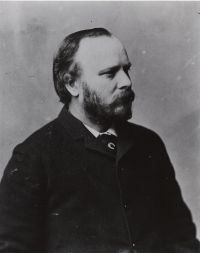
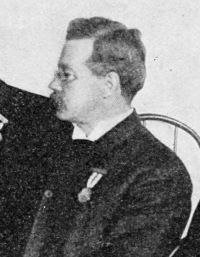
The cravat, a long strip of fine fabric wrapped around the neck and tied into a knot or bow, traces its origins to 17th-century Croatian military wear, later embraced in European fashion. Evolving from its practical role as a neckband to its transformation into a sartorial emblem, the cravat has served both as a functional adornment and a symbol of style.
Authors such as Honoré de Balzac highlighted its significance in A Daughter of Eve, while H. Le Blanc’s The Art of Tying the Cravat detailed its aesthetic intricacies. Edwin Lawrence Godkin emphasized its social importance, connecting it to decorum and personal appearance. Combining these viewpoints, the cravat emerges as a blend of practicality, self-expression, and cultural elegance.
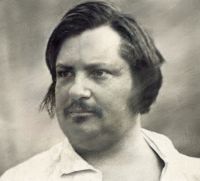 Honoré de Balzac,
A Daughter of Eve
(1895)
Honoré de Balzac,
A Daughter of Eve
(1895)