Philip the Arab

Definition and stakes

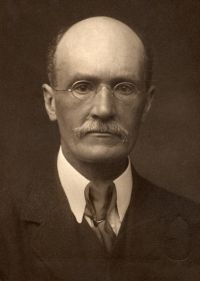
W. Ewing,  Arab and Druze at home (1907)

“ The merchandise of the East, by way of the road from the Persian Gulf, stocked her marts, and the gold and frankincense caravans from Arabia the Happy brought their stores to increase her wealth. The time of her greatest splendour probably fell in [115] the short reign of Philip the Arabian, who, with the wealth of Rome at his command, guided by his Oriental pride and taste, would lavish adornment on the chief city of his native province, embellishing her streets and squares with triumphs of architectural art. ”
Source: Gutenberg

1911 Encyclopædia Britannica, Volume 7… (1911)

“ About 245 the emperor Philip the Arabian entrusted him with an important command on the Danube, and in 249 (or end of 248) , having been sent to put down a revolt of the troops in Moesia and Pannonia, he was forced to assume the imperial dignity. He still protested his loyalty to Philip, but the latter advanced against him and was slain near Verona. ”
Source: Wikisource

Portrait of William Muir William Muir,  The Caliphate: Its Rise, Decline and Fall…

“ Wherever Arabs went they formed a class apart and dominant,—the nobles and rulers of the land. Subject peoples, even if they embraced Islam, were of a lower caste; they could aspire to nothing higher than, as "clients" of some Arab chief or tribe, to court patronage and protection. Thus the Arabians set themselves apart, as a nation militant, for the sacred task of propagating Islam. Even after the 150
new-born zeal of the Faith had evaporated, the chivalry of the Arabs as a race wholly devoted to arms, was, owing mainly to 'Omar's foresight, maintained in full for two centuries and a half.
”
Source: Wikisource

Get perspective with Kwize: daily news enlightened by great literature