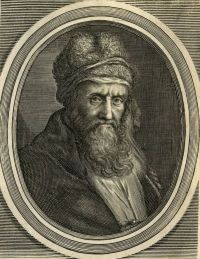
Philo of Alexandria

Definition and stakes

Portrait of Norman Bentwich Norman Bentwich,  Philo-Judæus of Alexandria

“ And what was said of Plato by a Greek critic applies equally well to Philo: "He rises at times above the spirit of prose in such a way that he appears to be instinct, not with human understanding, but with a Divine oracle." From the study of literature and kindred subjects Philo passed on to philosophy, and he made himself master of the teachings of all the chief schools. There was a mingling of all the world's wisdom at Alexandria in his day; and Philo, like the other philosophers of the time, shows acquaintance with the ideas of Egyptian, Chaldean, Persian, [48] and even Indian thought. ”
Source: Gutenberg

Portrait of Norman Bentwich Norman Bentwich,  Philo-Judæus of Alexandria

“ Howbeit, after the death of Agrippa, in 44 C.E., Judæa became a Roman province, and under the rapacious governorship of Felix Florus and Cestius Gallus, the hostility of the people to the Romans grew more and more bitter. But in Alexandria there was tranquillity, or at least we know of no disquieting events during the next decade. [pg.71] "Old age," said Philo, "is an unruffled harbor," [81] and the saying refers possibly to his own experience. For he must have died full of years and full of honors. ”
Source: Gutenberg

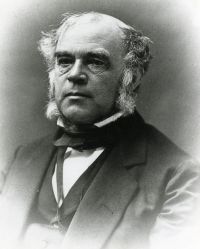
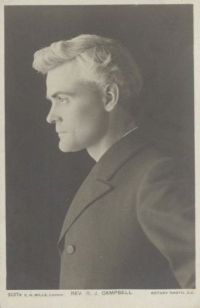
Portrait of R. J. Campbell R. J. Campbell,  The New Theology

“ It played a not unimportant part in Greek thought, and Philo of Alexandria, a contemporary of Jesus, works it out in some detail in his religio-philosophic system, which aimed to combine the wide outlook of Greek culture with the high seriousness of Hebrew religion. It is a true, indeed an inevitable, conception, if we hold anything like a consistent view of the immanence of God in His universe. With what God have we to do except the God who is eternally man? ”
Source: Gutenberg

Get perspective with Kwize: daily news enlightened by great literature