Neoplatonism

Definition and stakes

Adolf von Harnack and John Malcolm Mitchell,  1911 Encyclopædia Britannica (1911)

“ Neoplatonism claimed to be not merely the absolute philosophy, the keystone of all previous systems, but also the absolute religion, reinvigorating and transforming all previous religions. It contemplated a restoration of all the religions of antiquity, by allowing each to retain its traditional forms, and at the same time making each a vehicle for the religious attitude and the religious truth embraced in Neoplatonism; while every form of ritual was to become a stepping-stone to a high morality worthy of mankind. ”
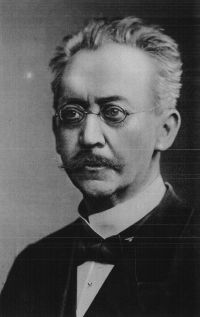
Source: Wikisource

Adolf von Harnack and John Malcolm Mitchell,  1911 Encyclopædia Britannica (1911)

“ Yet the influence of Neoplatonism on the history of our ethical culture is immeasurable, above all because it begot the consciousness that the only blessedness which can satisfy the heart must be sought higher even than the sphere of reason. That man shall not live by bread alone, the world had learned before Neoplatonism; but Neoplatonism enforced the deeper truth—a truth which the older philosophy had missed—that man shall not live by knowledge alone. ”
Source: Wikisource

Adolf von Harnack and John Malcolm Mitchell,  1911 Encyclopædia Britannica (1911)

“ It is not as a philosophy, then, nor as a new religion, that Neoplatonism became a decisive factor in history, but, if one may use the expression, as a “mood.” The instinctive certainty that there is a supreme good, lying beyond empirical experience, and yet not an intellectual good—this feeling, and the accompanying conviction of the utter vanity of all earthly things, were produced and sustained by Neoplatonism. ”
Source: Wikisource

Get perspective with Kwize: daily news enlightened by great literature