Pima people

Definition and stakes

active 16th century Pedro de Castañeda de Nájera,  Spanish Explorers in the Southern United States…

“ These tribes who lived in permanent habitations, from the village of the Corazones (Hearts) to Culiacan, were all of the Piman family, and consequently spoke related languages. The Pima do not call themselves Pima, but O-otam, "men," "people." Pima means "no"; pimahaitu, "no thing." The term Vasconyados, or Vascongados, refers to the Biscayans.
[209] For the later career of this officer, see Castañeda's narration. Melchior Diaz was a man of very different stamp to Guzman, Alcaraz, and Zebreros (or Cebreros) , so far as his treatment of the Indians is concerned.
”

Source: Gutenberg

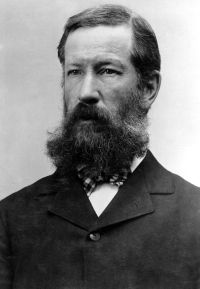
Portrait of Adolph Francis Alphonse Bandelier Adolph Francis Alphonse Bandelier,  The Gilded Man (El Dorado) and other pictures of the Spanish occupancy of America

“ These inhabitants are now known by the name of “Opata”; they call themselves “Joyl-ra-ua,” or village people. The name “Opata” belongs to the Pima language; it arose toward the end of the seventeenth century and is analyzed into “Oop,” enemies, and “Ootam,” men. The Pimas designate themselves by the latter word. Opata is therefore equivalent to “men hostile to the Pima tribe.” The languages of the two tribes are very closely related.
Few tribes in Spanish America have so readily and completely assimilated with the whites as the Opatas of Sonora.
”
Source: Gutenberg

Portrait of Adolph Francis Alphonse Bandelier Adolph Francis Alphonse Bandelier,  The Gilded Man (El Dorado) and other pictures of the Spanish occupancy of America

“ The region has for many centuries been inhabited exclusively by the Pima Indians, who have always been a more or less settled, agricultural people, like the Pueblos of New Mexico, living in villages composed of round huts, and acquainted with the art of irrigation by canals.
I have already mentioned that the Pimas claimed to be descendants of the inhabitants and builders of the Casa Grande. Casteñeda says that the “red house” was destroyed by the people who lived there at the time of his arrival, and describes them as completely savage.
”
Source: Gutenberg

Get perspective with Kwize: daily news enlightened by great literature