Ponca people

Definition and stakes

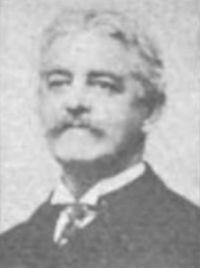
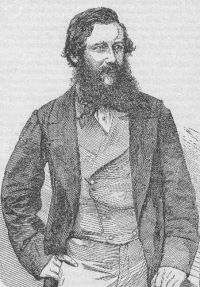
Portrait of Carl Schurz Carl Schurz,  Removal of the Ponca Indians

“ The details of the case did not come clearly to my knowledge until the Ponca chiefs arrived in Washington and told their story. I concluded that they had suffered great hardship in losing the reservation originally conferred upon them by treaty, after a so-called consent which appeared not to have been a free expression of their will. They had also endured many disasters on their way to the Indian Territory, and after their arrival there were greatly afflicted by disease and lost a large number of their people by death. ”
Source: Wikisource

Portrait of Carl Schurz Carl Schurz,  Removal of the Ponca Indians

“ I don't think it very good for white men to try to get the Poncas back to their old reservation.”
When asked what the condition of the health of his people was, he answered: “When any people, even the white man, go to a new country, when they first go there they do not get along, some die; but they get used to the country. When first we got there, all sick; now we are getting better; some people have had consumption before they went down to the Indian Territory; a good many died on account of the change.”
”
Source: Wikisource

Seth King Humphrey,  The Indian Dispossessed — The Removal of the Poncas (1906)

“ I at once employed from the young men of the tribe a suitable number for the purpose, and at five o'clock p. m. had the entire tribe with their effects across the river, off the reservation, and in camp in Nebraska."
Twenty-five soldiers had been in service at the Ponca agency while the "consent" of the one hundred and seventy was being secured; they seem to have furnished the necessary showing of force. Confronted with the choice of going either "peaceably or by force," these unarmed people naturally concluded to go peaceably.
”
Source: Wikisource

Get perspective with Kwize: daily news enlightened by great literature