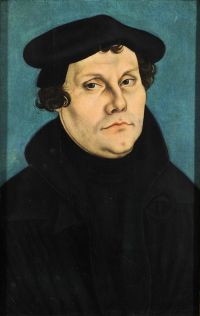
Pope Benedict XIV

Definition and stakes

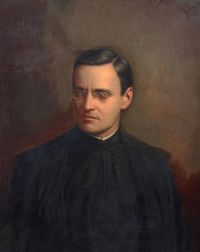
Portrait of Joseph McCabe Joseph McCabe,  Crises in the History of the Papacy

“ He was not, as some say, "the idol of Rome." The cardinals felt the disdain of them which he often expresses in his letters, and many of the clergy regarded him as too severe on them and too pliant to the laity. Neither was he a genius. Clearness of mind, immense industry, and sober ways are the sources of his output. His works are not read today even by ecclesiastics, and it is ludicrous to represent them as his [Pg 367] title to immortality. Yet Benedict XIV. was a great Pope: a wise ruler of the Church at a time when once more, unconsciously, it approached a world-crisis. ”
Source: Gutenberg

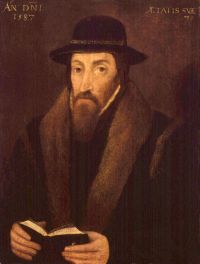
Portrait of Adrian Henry Timothy Knottesford Fortescue Adrian Henry Timothy Knottesford Fortescue,  The Uniate Eastern Churches (1923)

“ They were absolutely helpless in the midst of a solidly Latin population. They had not even their own bishops. The Pope had only to let things alone, and they would all have turned Latin centuries ago, automatically. But the Pope did not want this. It is a childish idea that the mighty Roman rite could be jealous of any other. Benedict XIV, and many other Popes, had a genuine desire that the other ancient rites of the Church should not die out; so, at considerable trouble to themselves, by constant severe legislation, they kept them alive ”
Source: Wikisource

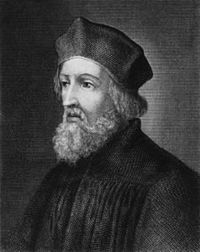
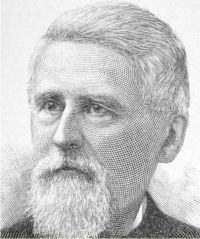
Portrait of Max Stirner Max Stirner,  The Ego and His Own

“ Just as the schoolmen philosophized only inside the belief of the church; as Pope Benedict XIV wrote fat books inside the papist superstition, without ever throwing a doubt upon this belief; as authors fill whole folios on the State without calling in question the fixed idea of the State itself; ”
Source: Gutenberg

Get perspective with Kwize: daily news enlightened by great literature