Prince of Wales

Definition and stakes

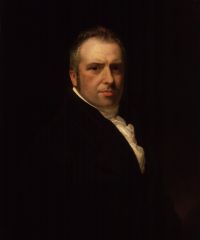
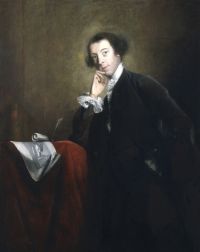
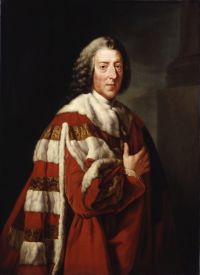
Portrait of William Pitt, 1st Earl of Chatham William Pitt, 1st Earl of Chatham The marriage of the Prince of Wales (1736)

The marriage of a Prince of Wales, Sir, has at all times been a matter of the highest importance to the public welfare, to present and to future generations; but at no time has it been a more important, a more dear consideration, than at this day: if a character, at once amiable and respectable, can embellish, and even dignify, the elevated rank of a Prince of Wales.
Source: Wikisource

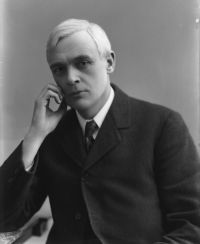
Sir Henry W. Lucy Faces and Places

Watching the Prince of Wales moving through an assemblage, whether
it be as he enters a public meeting or as he strolls about the
greensward at Marlborough House on the occasion of a garden party,
the observer may get some faint idea of the strain ever upon him. You
can see his eyes glancing rapidly along the line of the crowd in
search of some one whom he can make happy for the day by a smile or a
nod of recognition. If there were one there who might expect the
honour, and who was passed over, the Prince knows full well how sore
would be the heart-burning.
Source: Gutenberg

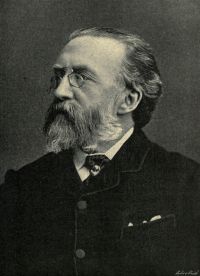
Portrait of George William Erskine Russell George William Erskine Russell Fifteen Chapters of Autobiography

It is the Prince of Wales who transacts its ceremonial business, and exhibits to the masses the embodiment of the monarchical principle. If there were no Marlborough House, there would be no Court in London. The house of the Prince of Wales may be an unsatisfactory substitute for a Court, but it is the only substitute which exists, and it is the best which, under the circumstances, is attainable.
"In his attitude to English Society, the Prince of Wales is a benevolent despot. He wishes it to enjoy itself, to disport itself, to dance, sing, and play to its heart's content.
Source: Gutenberg

Get perspective with Kwize: daily news enlightened by great literature