Prunus avium

Definition and stakes

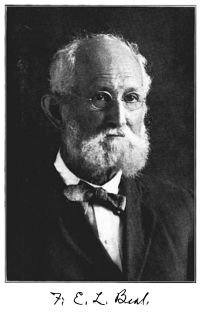
U. P. Hedrick,  The Cherries of New York

“ Thus, the varieties of Prunus avium are but little hardier than the peach while those of Prunus cerasus are as hardy or hardier than the apple. The range of varieties as to hardiness falls within that of the species and it is interesting to note that in Europe, where the wild Prunus avium is very common, in the many centuries since the fruit has been under domestication, a cultivated variety hardier than the wild Sweet Cherry has not been developed. Cherries are designated in the technical descriptions as hardy, half-hardy and tender. ”
Source: Gutenberg

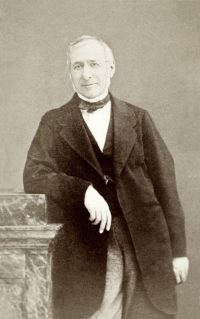
Portrait of Alphonse de Candolle Alphonse de Candolle,  Origin of Cultivated Plants

“ The true and really ancient habitation seems to extend from the Caspian Sea to the environs of Constantinople; but in this very region Prunus avium is more common. Indeed, Boissier and Tchihatcheff do not appear to have seen P. cerasus even in the [Pg 208] Pontus, though they received or brought back several specimens of P. avium.1028
In the north of India, P. cerasus exists only as a cultivated plant.1029 The Chinese do not appear to have been acquainted with our two kinds of cherry.
”
Source: Gutenberg

U. P. Hedrick,  The Cherries of New York

“ Tree vigorous, upright, hardy; foliage large, coarse.
Fruit matures the second week in June; medium to large, roundish, flattened at the base; cavity variable in depth; suture shallow, indistinct; apex depressed; color yellow overspread with light red; stem green, straight, rather slender, one and one-half to two inches long; flesh slightly colored, juicy, firm but tender, pleasantly subacid; very good in quality; stone variable in size, broad.
CALIFORNIA ADVANCE Prunus avium
1. Wickson Cal. Fruits 289, 292. 1889. 2. Wash. Sta. Bul. 92:25. 1910. Advance. 3. Am. Pom. Soc.
”
Source: Gutenberg

Get perspective with Kwize: daily news enlightened by great literature