Queen Caroline of Ansbach

Definition and stakes

W. H. Wilkins Caroline the Illustrious, vol. 1… (1901)

La beauté est le partage des uns, l’intelligence celui des autres; la réunion de ces dons ne se rencontre que chez certains mortels favorisés des dieux.
Leibniz to Queen Caroline.
vii
PREFACE. It is characteristic of the way in which historians have neglected the House of Hanover that no life with any claim to completeness has yet been written of Caroline of Ansbach, Queen-Consort of George the Second, and four times Queen-Regent.
Source: Gutenberg

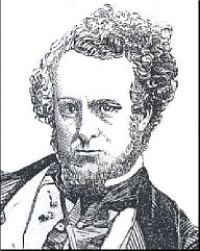
Portrait of Adolphus William Ward Adolphus William Ward Dictionary of National Biography… (1887)

CAROLINE (1683–1737) , queen of Great Britain and Ireland, was born 1 March 1683, and baptised by the names of Wilhelmina Caroline. Her father, John Frederick, margrave of Brandenburg-Ansbach, died when she was four years of age, and his margravate was for seven years afterwards under the rule of minors. Thus, on the marriage in 1692 of his widow, Eleonora Erdmuthe Louisa, daughter of John George, duke of Saxe-Eisenach, to the elector John George IV of Saxony, Caroline accompanied her mother to Dresden.
Source: Wikisource

W. H. Wilkins Caroline the Illustrious, vol. 1… (1901)

Leibniz often met the Princess of Ansbach at the Queen of Prussia’s reunions, and he noted how high she stood in the favour of his royal mistress. He became attracted to her by her wit and conversation, which were unusual in a princess of her years. He spoke of her in glowing terms to the Electress Sophia, who later made acquaintance with the young princess at Berlin, and she, too, was charmed with her talents and beauty. Leibniz, who was much at Berlin in those days, kept his venerable mistress at Hanover acquainted with the movements of the princess.
Source: Gutenberg

Get perspective with Kwize: daily news enlightened by great literature