Regan

Definition and stakes

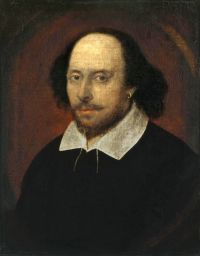
Portrait of William Shakespeare William Shakespeare,  The Tragedy of King Lear

“ Enter Cornwall, Regan, Gloucester and Servants.
LEAR.
Good morrow to you both.
CORNWALL.
Hail to your grace!
[Kent here set at liberty.]
REGAN.
I am glad to see your highness.
LEAR.
Regan, I think you are; I know what reason
I have to think so: if thou shouldst not be glad,
I would divorce me from thy mother’s tomb,
Sepulchring an adultress. [To Kent] O, are you free?
Some other time for that.—Beloved Regan,
Thy sister’s naught: O Regan, she hath tied
Sharp-tooth’d unkindness, like a vulture, here.
”
Source: Gutenberg

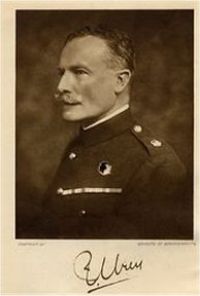
Portrait of Benedetto Croce Benedetto Croce,  Ariosto, Shakespeare and Corneille

“ Regan has here and there a fugitive moment, not of piety, but of hesitation and almost of suggestion, and shows herself to be the less strong, just because she always allows herself to be led by the other. Each of them, although both are thus powerfully individuated, express the same force of egoism without scruples, untamed and extreme in its boundlessness. ”
Source: Gutenberg

Portrait of William Shakespeare William Shakespeare,  The Tragedy of King Lear

“ Regan, I bleed apace:
Untimely comes this hurt: give me your arm.
[Exit Cornwall, led by Regan; Servants unbind Gloucester and lead him out.]
SECOND SERVANT.
I’ll never care what wickedness I do,
If this man come to good.
THIRD SERVANT.
If she live long,
And in the end meet the old course of death,
Women will all turn monsters.
”
Source: Gutenberg

Get perspective with Kwize: daily news enlightened by great literature