The Ross Sea, a deep bay of the Southern Ocean in Antarctica, is renowned for its untouched environment and ecological importance. Named after explorer James Clark Ross, it lies between Victoria Land and Marie Byrd Land, bounded by the Ross Ice Shelf and shaped by underwater ridges that influence its currents. This nutrient-rich body of water sustains a wide range of marine life, from plankton to emperor penguins, and remains largely free from human interference.
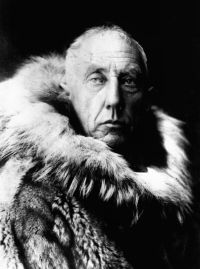
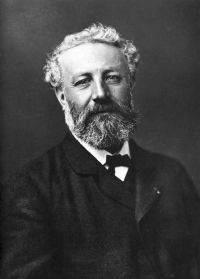
Authors such as Roald Amundsen described its icy vastness during polar expeditions, while Jules Verne envisioned its underwater marvels. Robert Louis Stevenson’s evocative writing and Sir Clements Markham’s scientific studies highlight its dual character as a natural wonder and a key area for conservation. The 2016 marine park designation reinforces its role as a globally safeguarded ecosystem, connecting exploration, research, and environmental responsibility.
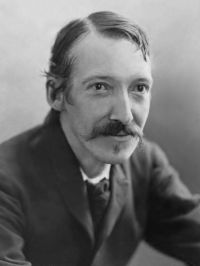 Robert Louis Stevenson,
The Merry Men, and Other Tales and Fables
Robert Louis Stevenson,
The Merry Men, and Other Tales and Fables