Royal College of Music

Definition and stakes

King of Great Britain Edward VII Speeches and Addresses of H. R. H. the Prince of Wales…

The following is the address delivered at that meeting:—
"You are, doubtless, aware of the efforts at present being made to establish a Royal College of Music—a work which, I venture to think, is one of national importance.
"It is intended to place the institution on a broad and liberal basis; that its advantages shall not be confined to residents of the United Kingdom, but be open to our fellow-subjects in all parts of the Empire; and the gratuitous education of scholars, selected by competition on the claim of merit only, will be one of its principal features.
Source: Gutenberg

King of Great Britain Edward VII Speeches and Addresses of H. R. H. the Prince of Wales…

I have invited to meet you the leading musicians and publishers of music, the most eminent musical instrument makers, the most influential amateurs and patrons of music, and I trust that by the co-operation and union of some of the most powerful elements of society, we may succeed in establishing a Royal College of Music on a more extended basis than any existing institution in the United Kingdom
Source: Gutenberg

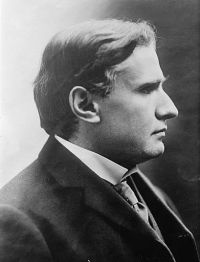
Portrait of Walter Damrosch Walter Damrosch My Musical Life

Since then the Anglicization of music had been going on rapidly, thanks principally to great music-schools such as the Royal College of Music, under Sir Charles Villiers Stanford and Sir Hugh Allen, and the Royal Academy of Music, under Sir Alexander MacKenzie. These schools educate great numbers of orchestral musicians, and to-day the personnel of British orchestras is composed almost entirely of native-born. Many of us consider Sir Edward Elgar the greatest symphonic composer since Brahms, and his education has been altogether British.
Source: Gutenberg

Get perspective with Kwize: daily news enlightened by great literature