Rye, East Sussex

Definition and stakes

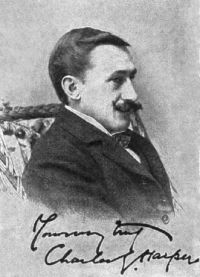
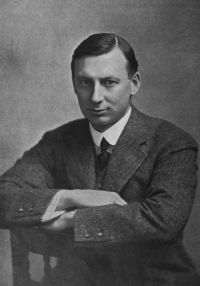
Portrait of Edward Verrall Lucas Edward Verrall Lucas,  Highways and Byways in Sussex (1904)

“ The light above the sheep levels changes continually: at one hour Rye seems but a stone's throw from Winchelsea; at another she is miles distant; at a third she looms twice her size through the haze, and Camber is seen as a fortress of old romance.
Rye stands where it always stood: but the original Winchelsea is no more. It was built two miles south-south-east of Rye, on a spot since covered by the sea but now again dry land. At Old Winchelsea William the Conqueror landed in 1067 after a visit to Normandy
”
Source: Wikisource

Portrait of E. V. Lucas E. V. Lucas,  Highways and Byways in Sussex

“ The order of progress through the country has been determined largely by the lines of railway. I have thought it best to enter Sussex in the west at Midhurst, making that the first centre, and to zig-zag thence across to the east by way of Chichester, Arundel, Petworth, Horsham, Brighton (I name only the chief centres) , Cuckfield, East Grinstead, Lewes, Eastbourne, Hailsham, Hastings, Rye, and Tunbridge Wells; leaving the county finally at Withyham, on the borders of Ashdown Forest. For the traveller in a carriage or on a bicycle this route is not the best ”
Source: Gutenberg

Edward Hutton,  England of My Heart : Spring

“ All the streets are steep and narrow and the chief of them, the High Street, seems always to be gay and full of business, and is as truly characteristic of Rye as those still and grass-grown ways cobbled and half deserted, which lead up to the noble great church in its curious place. ”
Source: Gutenberg

Get perspective with Kwize: daily news enlightened by great literature