Santa Fe de Bogotá

Definition and stakes

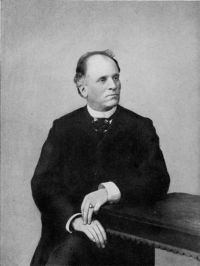
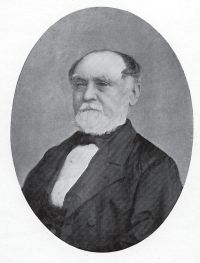
Portrait of J. A. Zahm J. A. Zahm,  Up the Orinoco and down the Magdalena

“ Santa Fé, also known as Santa Fé de Bogotá, was for a long period the capital of the Viceroyalty of New Granada. After the War of Independence the name was changed to Bogotá—from Bacatá—the name of the old Chibcha capital, where the zipa, the most powerful of the Indian caciques, at the arrival of the Spaniards, had his official residence. The city is nearly two miles in length and of varying breadth. Its present population is nearly one hundred and twenty-five thousand. ”
Source: Gutenberg

1911 Encyclopædia Britannica (1911)

“ It was the centre of Chibcha civilization before the Spanish conquest and sustained a large population. The climate is mild and temperate, the average annual temperature being about 58° and the rainfall about 431/2 in. The geographical location of the city is unfavourable to any great development in commerce and manufactures beyond local needs.
Bogotá was founded in 1538 by Gonzalo Jiménez de Quesada and was named Santa Fé de Bogotá after his birthplace Santa Fé, and after the southern capital of the Chibchas, Bacatá (or Funza) .
”
Source: Wikisource

Clifford Smyth,  The Gilded Man: A Romance of the Andes

“ EMBOLADORES ON THE MARCH There is in Bogota a street, the Calle de Las Montanas, that meanders down from the treeless foothills of the gray mountain ridge overlooking the city, and broadens out into a respectable thoroughfare before losing itself in the plaza upon which, facing each other diagonally, stand the venerable Catedral de Santa Fe and the National Capitol. This street, resembling the bed of a mountain stream, in the first half mile of its course runs through a huddle of lowly houses whose thatched roofs and white adobe walls seldom reach more than one story in height. ”
Source: Gutenberg

Get perspective with Kwize: daily news enlightened by great literature