The Second International, also known as the Socialist International, was a political alliance of socialist and labor parties founded in 1889. It brought together European movements under Marxist ideals while struggling with internal disagreements. It promoted workers' rights, anti-militarism, and the eight-hour workday, yet encountered ideological splits between reformism and revolution. Thinkers such as Tomáš Garrigue Masaryk highlighted the importance of global cooperation, Walter E.
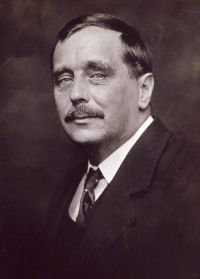
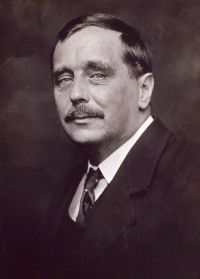
Weyl emphasized Europe’s strategic position in world affairs, and H.G. Wells called for international economic coordination. These viewpoints illustrate the International’s dual function as a force for unity and a site of conflict over socialist approaches, ultimately leading to its dissolution amid the divisions of World War I. Its influence continues to shape discussions on internationalism and collective effort.
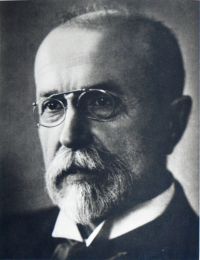 Tomáš Garrigue Masaryk,
The New Europe
(1918)
Tomáš Garrigue Masaryk,
The New Europe
(1918)