Shoshone people

Definition and stakes

James S. Brown,  Life of a Pioneer: Being the Autobiography of James S. Brown

“ Sometimes they have been so abused that they have threatened to kill all the white men they meet in our land. But I have always been a friend to the white man, and have told my people never to moisten our land with his blood; and to this day the white man can not show in all our country where the Shoshone has killed one of his people, though we can point to many abuses we have patiently suffered from him. Now I can see that he only loves himself; he loves his own flesh, and he does not think of us; he loves heap money ”
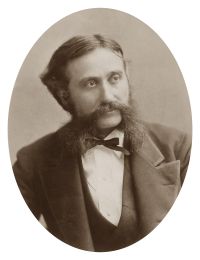
Source: Gutenberg

Robert F. Murphy,  Shoshone-Bannock Subsistence and Society

“ Among the Shoshone of the Fort Hall region, leadership was more clearly a function of interaction with the whites. One man was said to have become chief "because he helped the whites." Two chiefs were reported, Aidamo and Aramun; the bands of both roamed through southeastern Idaho and into northern Utah. These Shoshone were called by the Bannock, "Winakwat," or "Wihinait" in Shoshone. The name evidently did not refer to a single band but designated all Shoshone-speaking people of the immediate area. ”
Source: Gutenberg

Robert F. Murphy,  Shoshone-Bannock Subsistence and Society

“ Our informants reported that the married couple often shifted back and forth for varying periods of time. Ultimately, the mounted Shoshone may be just as profitably looked on as neolocal, as were the western Shoshone, for the couple did not necessarily live with or adjacent to either mate's parents. People were quite free to join other relatives or to associate closely with unrelated persons. ”
Source: Gutenberg

Get perspective with Kwize: daily news enlightened by great literature