Summary

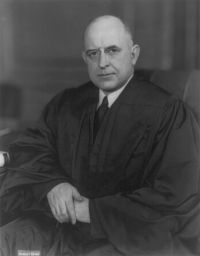
Portrait of Stanley Forman Reed Stanley Forman Reed Northwestern Bands of Shoshone Indians v…

We doubt if any interpreter could intelligently translate the contents of a writing that deals with the property concept, for the Indians did not have a word for it. People do not have words to fit ideas that have never occurred to them. Ownership meant no more to them than to roam the land as a great common, and to possess and enjoy it in the same way that they possessed and enjoyed sunlight and the west wind and the feel of spring in the air.
Source: Wikisource

Portrait of Stanley Forman Reed Stanley Forman Reed Northwestern Bands of Shoshone Indians v…

It was intended to pacify the Indians and to let the whites travel in peace a route they somehow were going to travel anyway.
How should we turn into money's worth the rights, if any, of which the Indians have been deprived? Should we measure it in terms of what was lost to a people who needed 10,000 acres apiece to sustain themselves through hunting and nomadic living, who had no system or standard of exchange, and whose representatives in making the treaty appear to have been softened for the job by gifts of blankets and trinkets?
Source: Wikisource

Portrait of Stanley Forman Reed Stanley Forman Reed Northwestern Bands of Shoshone Indians v…

But we should remember that no counsel sat at the elbow of Pokatello when the treaty was drafted. It was written in a language foreign to him. He was not a conveyancer. He was not cognizant of distinctions in title. He neither had nor gave deeds to his land. There was no recording office. But he knew the land where he lived and for which he would fight. If the standards of the frontier are to govern, his assertion of ownership and its recognition by the United States could hardly have been plainer.
Source: Wikisource

Get perspective with Kwize: daily news enlightened by great literature