Summary

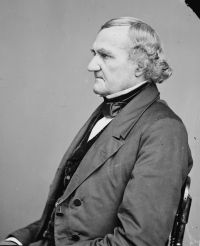
Portrait of John Catron John Catron Marsh v. Brooks (55 U.S. 513)…

That a complete title to the land in controversy was vested in Thomas F. Reddick, on the 29th of April, 1816, whether the 'Indian rights' had, or had not, then been extinguished; and the title so vested has not been divested or impaired, by any subsequent treaty or act of Congress.
A confirmation of a title by act of Congress, not only renders it a legal title, but furnishes higher evidence of that fact than a patent, inasmuch as it is a direct grant of the fee by the government itself, whereas a patent is only an act of its ministerial officer.
Source: Wikisource

Portrait of John Catron John Catron Marsh v. Brooks (55 U.S. 513)…

His claim to this property was transferred to Reddick, and was occupied for twenty-five years under Tesson and Reddick, and his heirs before the treaty of 1824 was made. It was held and improved by authority of the Spanish government, and claimed as individual property, to which the Indian right of possession did not extend; of this the Indians never complained, nor do they now complain; no half-breed owner and Indian descendant is defending this suit; it is defended by trespassers, showing no color of claim under the half-breeds, or any one else
Source: Wikisource

Get perspective with Kwize: daily news enlightened by great literature