Springfield, Missouri

Definition and stakes

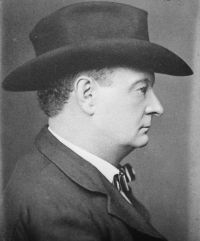
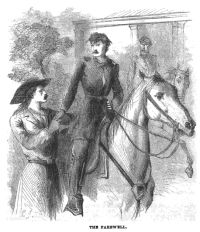
Portrait of George Ward Nichols George Ward Nichols,  Wild Bill (1867)

“ Several months after the ending of the Civil War I visited the city of Springfield in Southwest Missouri. Springfield is not a burgh of extensive dimensions, yet it is the largest in that part of the State, and all roads lend to it—which is one reason why it was the point d'appui, as well as the base of operations for all military movements during the war. ”
Source: Wikisource

1911 Encyclopædia Britannica (1911)

“ There are four large private parks (340 acres) on the outskirts, and two municipal cemeteries—a Confederate cemetery, maintained by associations, the only distinctively Confederate burial ground in Missouri; and a National cemetery, maintained by the United States government. Springfield is one of the two chief commercial centres of this region, which has large mining, fruit, grain, lumber and livestock interests. The jobbing trade is important. Springfield ranks fourth among the manufacturing cities of the state ”
Source: Wikisource

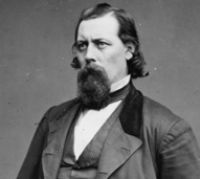
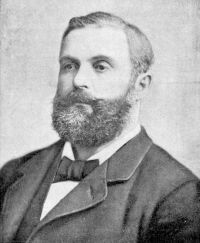
Portrait of Thomas Wallace Knox Thomas Wallace Knox,  Camp-Fire and Cotton-Field: Southern Adventure in Time of War

“ Notwithstanding the scarcity of accommodations, the traveler seeking a meal or resting-place will rarely meet a refusal. In New York or New England, one can journey many a mile and find a cold denial at every door. In the West and Southwest "the latch-string hangs out," and the stranger is always welcome. Especially is this the case among the poorer classes.
Springfield is the largest town in Southwest Missouri, and has a fine situation. Before the war it was a place of considerable importance, as it controlled the trade of a large region around it.
”
Source: Gutenberg

Get perspective with Kwize: daily news enlightened by great literature