Sulla's Pompey

Definition and stakes

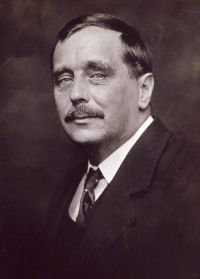
Portrait of William Smith William Smith,  Dictionary of Greek and Roman Biography and Mythology (1870)

“ From the death of Sulla to the present time, a period of nearly twenty years, he had been unquestionably the first man in the Roman world, but he did not retain much longer this proud position, and eventually discovered that the genius of Caesar had reduced him to a second place in the state. It would seem as if Pompey on his return to Rome hardly knew himself what part to take in the politics of the city. He had been appointed to the command against the pirates and Mithridates in opposition to the aristocracy, and they still regarded him with jealousy and distrust. ”
Source: Wikisource

Edward Lucas White,  The Song of the Sirens and Other Stories (1919)

“ Yes, these were the very fasces Pompey had assumed in Sicily with Sulla's permission, when he was only twenty-two. The laurel-wreaths were pure gold, the same he had added with Sulla's consent when he returned from Africa and triumphed and his men saluted him as commander. After he returned from Spain the fasces had been in the treasury from the end of his year of office until he set out against the pirates. ”
Source: Wikisource

Portrait of Alfred John Church Alfred John Church,  Roman life in the days of Cicero

“ During the next two years his reputation continued to increase. He won victories in Gaul, in Sicily, and in Africa. As he was returning to Rome after the last of these campaigns, the great Dictator himself headed the crowd that went forth to meet him, and saluted him as Pompey the Great, a title which he continued to use as his family name [5] . But there was a further honor which the young general was anxious to obtain, but Sulla was unwilling to grant, the supreme glory of a triumph. "No one," he said, "who was not or had not been consul, or at least praetor, could triumph. ”
Source: Gutenberg

Get perspective with Kwize: daily news enlightened by great literature