Tribunate

Definition and stakes

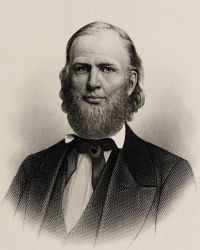
Portrait of Jean-Jacques Rousseau Jean-Jacques Rousseau,  The Social Contract (1762)

“ The tribunate is not a constituent part of the city, and should have no share in either legislative or executive power; but this very fact makes its own power the greater: for, while it can do nothing, it can prevent anything from being done. It is more sacred and more revered, as the defender of the laws, than the prince who executes them, or than the Sovereign which ordains them. ”
Source: Wikisource

Portrait of Jean-Jacques Rousseau Jean-Jacques Rousseau,  The Social Contract (1762)

“ This restores to each term its right relation to the others, and provides a link or middle term between either prince and people, or prince and Sovereign, or, if necessary, both at once.
This body, which I shall call the tribunate, is the preserver of the laws and of the legislative power. It serves sometimes to protect the Sovereign against the government, as the tribunes of the people did at Rome; sometimes to uphold the government against the people, as the Council of Ten now does at Venice; and sometimes to maintain the balance between the two, as the Ephors did at Sparta.
”
Source: Wikisource

Intresting Letter from Queen Caroline to King George IV (1820)

“ I must either protest against this mode of trial, or by tacitly consenting to it, suffer my honour to be sacrificed. No innocence can secure the accused if the Judges and Jurors be chosen by the accuser; and if I were tacitly to submit to a tribunal of this description, I should be instrumental in my own dishonour.
On these grounds I protest against this species of trial. I demand a trial in a court where the Jurors are taken impartially from amongst the people, and where the proceedings are open and fair. Such a trial I court, and to no other will I willingly submit.
”
Source: Wikisource

Get perspective with Kwize: daily news enlightened by great literature