Synoptic Gospels

Definition and stakes

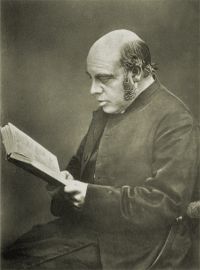
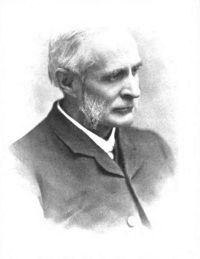
Portrait of Edwin Abbott Abbott Edwin Abbott Abbott,  The Kernel and the Husk (1886)

“ Having before me the doctrine of the Synoptic Gospels, I am forbidden by mere considerations of style and literary criticism from believing that Jesus used the exact words, "I am the true vine," "I am the good shepherd," "I am the light of the world," "I am the resurrection and the life;" but I accept these sayings as divinely inspired, and as being far deeper and fuller expressions of the spiritual nature of Jesus than any of the inferences which I could draw for myself from the Synoptic doctrine. Do not then say that I "reject" the Fourth Gospel. ”
Source: Wikisource

Leighton Pullan,  The Books of the New Testament

“ For the Synoptic Gospels relate the outward events connected with our Lord's ministry, while St. John records the discourses and works which reveal our Lord's heavenly origin and divine authority. Again, the Synoptic Gospels report Christ's addresses to simple Galilean people, addresses consisting largely of parables; while St. John reports discourses, frequently expressed in the language of allegory, and uttered to the Jews of Jerusalem or to His own intimate disciples. ”
Source: Gutenberg

Leighton Pullan,  The Books of the New Testament

“ The Synoptic problem consists in the difficulties raised by the fact that the Synoptic Gospels show both a remarkable similarity and a remarkable dissimilarity. It is just because the similarity is often so astonishing that we find it all the more difficult to explain the dissimilarity when it exists. A study of the Synoptic problem is valuable for the Christian student, inasmuch as it directs our attention to the sources employed by the evangelists, and thus leads us nearer to the actual events connected with the rise of Christianity. ”
Source: Gutenberg

Get perspective with Kwize: daily news enlightened by great literature