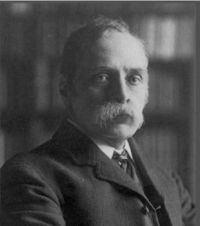
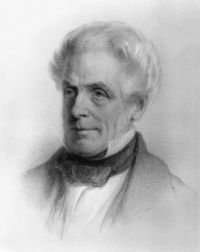
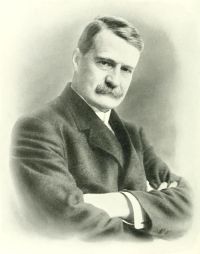
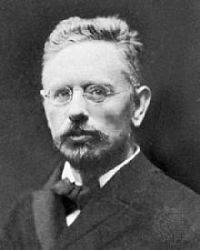
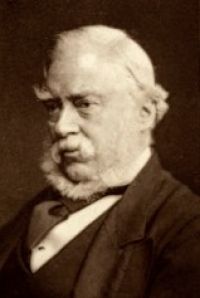
Transcription, in linguistics, is the systematic conversion of spoken language into written form, distinct from translation or transliteration. It forms the foundation of phonetics, conversation analysis, and sociolinguistics, utilizing tools such as the International Phonetic Alphabet to ensure accuracy. Scholars like Fenton John Anthony Hort underscored transcription's role in preserving texts, pointing out the inherent risks of error during replication.
Samuel Newth stressed its importance in spreading knowledge, while Augusta Theodosia Drane demonstrated its painstaking nature in monastic environments. These diverse viewpoints highlight transcription as both a technical practice and a deeply embedded cultural process, influencing how language is documented and understood.
 Samuel Newth,
Lectures on Bible Revision
Samuel Newth,
Lectures on Bible Revision