Tahitian people

Definition and stakes

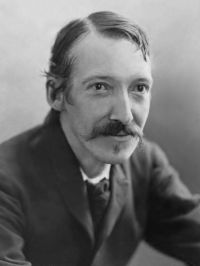
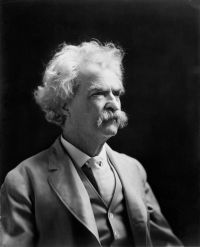
Portrait of Herman Melville Herman Melville,  Omoo: Adventures in the South Seas

“ Notwithstanding the physical degeneracy of the Tahitians as a people, among the chiefs, individuals of personable figures are still frequently met with; and, occasionally, majestic-looking men, and diminutive women as lovely as the nymphs who, nearly a century ago, swam round the ships of Wallis. In these instances, Tahitian beauty is quite as seducing as it proved to the crew of the Bounty; the young girls being just such creatures as a poet would picture in the tropics—soft, plump, and dreamy-eyed. ”
Source: Gutenberg

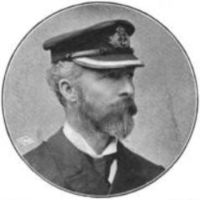
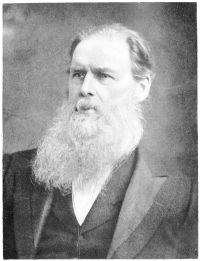
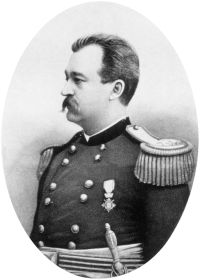
Portrait of Nicholas Senn Nicholas Senn,  Tahiti, the island paradise (1906)

“ The Tahitian people, before they tasted the questionable advantages of European civilization, had much in common and lived happily in the full enjoyment of Nature's varied and bountiful gifts. Tribal life was family life, and public affairs were managed to suit the wants of the people, and if any one in power failed in his duties, the people took the law in their own hands and corrected the evil, usually without bloodshed. If the people were not prosperous according to our ideas of life, they were at least happy, and
We must distinguish between felicity and prosperity
”
Source: Gutenberg

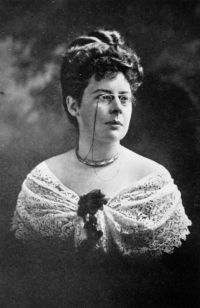
Portrait of Constance Frederica Gordon Cumming Constance Frederica Gordon Cumming,  A Lady's Cruise in a French Man-of-War (1882)

“ Certainly the Tahitians, as we now see them, are as gentle and affectionate as it is possible for a people to be. Most kind and hospitable, always cheerful and good-natured, easily pleased and amused, finding matter for mirth in every trifle; so that angry words or recriminations are rarely heard, but rather a sound of rippling laughter, which seems here to pervade the very air. A messenger is just going across to Tahiti to take letters, and to fetch any that may have arrived by the schooner from San Francisco. ”
Source: Wikisource

Get perspective with Kwize: daily news enlightened by great literature