Ten Commandments

Definition and stakes

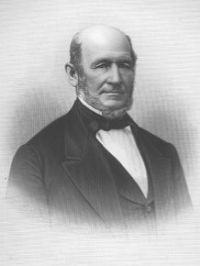
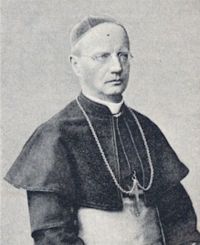
Portrait of Friedrich Justus Knecht Friedrich Justus Knecht,  A Practical Commentary on Holy Scripture (1910)

“ The Ten Commandments and the Natural Law. The Ten Commandments were but the expression of that natural law, which God has written in every man’s heart, and which every man can know if he listens to the voice of reason and conscience. Therefore the Ten Commandments apply to all men and all times: and, for this reason, God wrote them on stone to signify that they are as durable as stone, and are to last for all ages. We Christians ought to observe the Commandments even more perfectly than was expected of the Israelites ”

Source: Wikisource

Edward Lewes Cutts,  Parish Priests and Their People in the Middle Ages in England

“ Of the Ten Commandments.—Of the ten commandments of the Old Testament three relate to God, and constitute the first table; the remaining seven concern our neighbour, and are called the Commandments of the Second Table. The First Commandment is, [213] Thou shalt have no other gods before Me; by which all idolatrous worship is forbidden; and by inference all lots and incantations and superstitions [214] of letters, and such-like figments are forbidden. In the Second, where it is said, Thou shalt not take the Name of the Lord thy God in vain, all heresy is principally condemned ”
Source: Gutenberg

Get perspective with Kwize: daily news enlightened by great literature