Decalogue

Definition and stakes

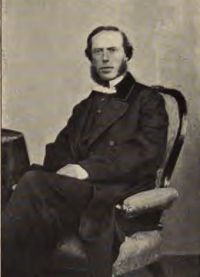
William Robertson Smith and Stanley Arthur Cook,  1911 Encyclopædia Britannica (1911)

“ The medieval theologians followed in the same line, recognizing all the precepts of the Decalogue as moral precepts de lege naturae, though the law of the Sabbath is not of the law of nature, in so far as it prescribes a determinate day of rest (Thomas, summa, Ima IIdae, qu. c. art. 3; Duns, Super sententias, lib. iii. dist. 37) . The most important medieval exposition of the Decalogue is that of Nicolaus de Lyra; and the 15th century, in which the Decalogue acquired special importance in the confessional, was prolific in treatises on the subject (Antoninus of Florence, Gerson, &c.) ”
Source: Wikisource

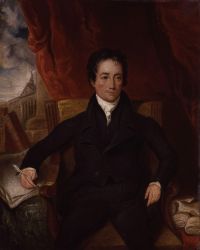
Portrait of Charles Dickens Charles Dickens,  Sketches by Boz, Illustrative of Every-Day Life and Every-Day People

“ You have now had a good opportunity of judging for yourself, and all I have to say is, that I trust you will never go to a funeral there again.’ ‘My dear,’ replies the formal gentleman, ‘I never will.’ So the informal deceased is cut in his grave; and the formal couple, when they tell the story of the funeral, shake their heads, and wonder what some people’s feelings are made of, and what their notions of propriety can be!
If the formal couple have a family (which they sometimes have) , they are not children, but little, pale, sour, sharp-nosed men and women
”
Source: Gutenberg

Get perspective with Kwize: daily news enlightened by great literature