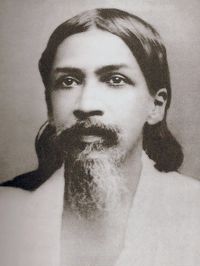
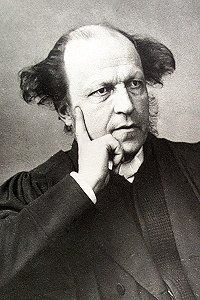
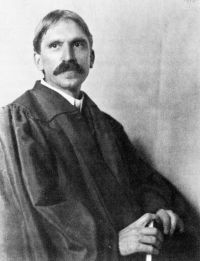
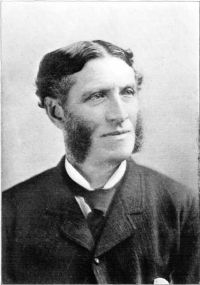
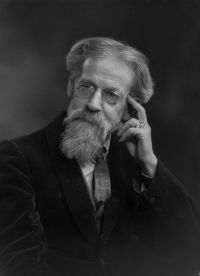
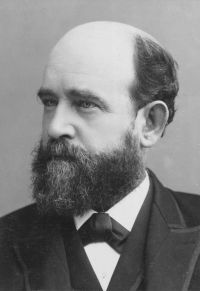
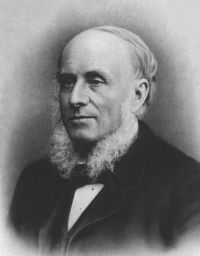
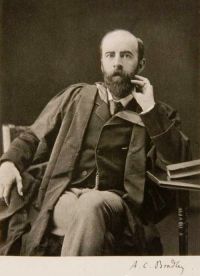
Moral law refers to the principles that distinguish right from wrong, often presented as universal or divine standards guiding human behavior. Philosophers such as John Locke regarded it as a necessary restraint on human desires through incentives and penalties, while William Whewell highlighted its widespread presence across different cultures. M. Valentine emphasized its function in uniting humanity under a "moral constitution," in contrast to Leslie Stephen’s criticism of reducing moral law to a legalistic abstraction.
From utilitarianism to theological ethics, writers like John Stuart Mill and Aurobindo Ghose examined its practical application, tensions, and spiritual underpinnings, demonstrating its lasting significance as both a societal structure and a personal obligation. The concept therefore connects reason, conscience, and the pursuit of ethical consistency.
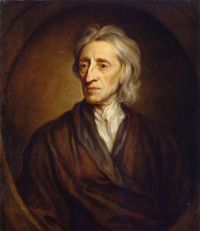 John Locke,
An Essay Concerning Humane Understanding
(1690)
John Locke,
An Essay Concerning Humane Understanding
(1690)