The Lay of the Last Minstrel

Definition and stakes

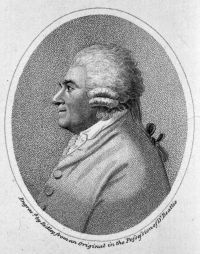
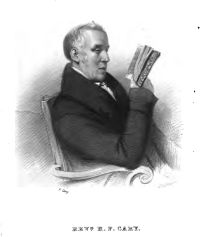
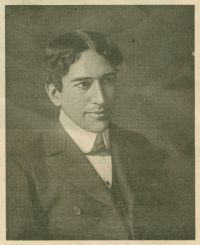
Portrait of Edward Albert Edward Albert A history of English literature (1923)

In The Lay of the Last Minstrel (1805) there is much more originality. The work is a poem of considerable length, professing to be the lay of an aged bard who seeks shelter in the castle of Newark. As a tale the poem is confused and difficult; as poetry it is mediocre; but the abounding vitality of the style, the fresh and intimate local knowledge, and the healthy love of nature made it a revelation to a public anxious to welcome the new Romantic methods. The poem was a great and instant success, and was quickly followed up with Marmion (1808) .
Source: Gutenberg

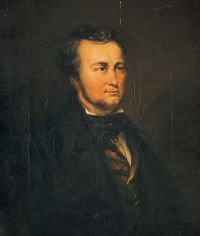
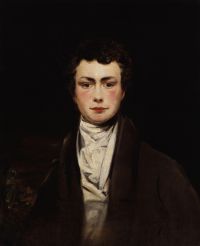
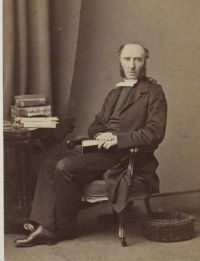
Portrait of Walter Scott Walter Scott The Lay of the Last Minstrel — Canto Sixth (1805)

Breathes there the man, with soul so dead,
Who never to himself hath said,
This is my own, my native land!
Whose heart hath ne’er within him burned,
As home his footsteps he hath turned,
From wandering on a foreign strand!
If such there breathe, go, mark him well;
For him no Minstrel raptures swell;
High though his titles, proud his name,
Boundless his wealth as wish can claim;
Despite those titles, power, and pelf,
The wretch, concentered all in self,
Living, shall forfeit fair renown,
And, doubly dying, shall go down
To the vile dust, from whence he sprung,
Unwept, unhonoured, and unsung.
Source: Wikisource

Get perspective with Kwize: daily news enlightened by great literature