The Marble Faun

Definition and stakes

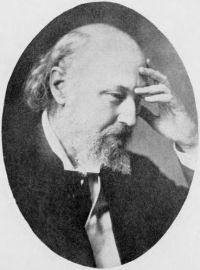
Portrait of Nathaniel Hawthorne Nathaniel Hawthorne,  The Marble Faun (1860)

“ Only a sculptor of the finest imagination, the most delicate taste, the sweetest feeling, and the rarest artistic skill—in a word, a sculptor and a poet too—could have first dreamed of a Faun in this guise, and then have succeeded in imprisoning the sportive and frisky thing in marble. Neither man nor animal, and yet no monster, but a being in whom both races meet on friendly ground. The idea grows coarse as we handle it, and hardens in our grasp. But, if the spectator broods long over the statue, he will be conscious of its spell ”
Source: Wikisource

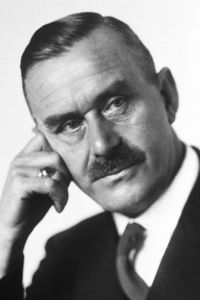
Portrait of Nathaniel Hawthorne Nathaniel Hawthorne,  The Marble Faun (1860)

“ Trees, grass, flowers, woodland streamlets, cattle, deer, and unsophisticated man. The essence of all these was compressed long ago, and still exists, within that discolored marble surface of the Faun of Praxiteles.
And, after all, the idea may have been no dream, but rather a poet's reminiscence of a period when man's affinity with nature was more strict, and his fellowship with every living thing more intimate and dear.
”
Source: Wikisource

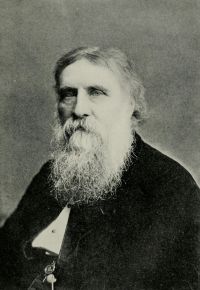
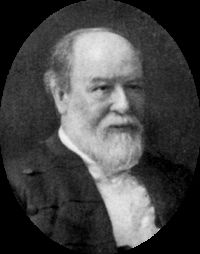
Portrait of George Edward Woodberry George Edward Woodberry,  Nathaniel Hawthorne

“ He finished the book on November 8, and it was published early the following spring. [Footnote: The Marble Faun, or the Romance of Monte Beni. By Nathaniel Hawthorne, author of "The Scarlet Letter." Boston: Ticknor and Fields. 1860. 12mo. 2 vols., pp. 283; 288.]
Hawthorne came to the writing of "The Marble Faun" after his genius was matured, with his temperament fully ripened, his intellectual and moral and artistic nature consonant in its varied play, and at the height of his literary powers. The story is in one sense a culmination, and it is perhaps his most complete expression of life
”
Source: Gutenberg

Get perspective with Kwize: daily news enlightened by great literature