The Merry Wives of Windsor, a Shakespearean comedy first published in 1602, focuses on the escapades of Sir John Falstaff as he tries to woo two wealthy married women in Elizabethan Windsor. Though ostensibly set in the 15th century, the play’s emphasis on contemporary middle-class life highlights its satirical examination of social pretensions and gender roles. Shakespeare’s depiction of Falstaff’s disgrace—through jokes such as being trapped in a laundry basket or dressed as a witch—underscores themes of foolishness and retribution.
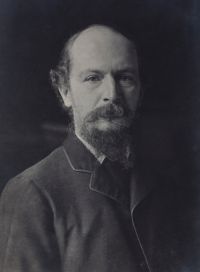
Other writers, such as Algernon Swinburne, have questioned its origins, connecting it to Queen Elizabeth I’s alleged commission, while George Daniel noted its folkloric echoes in 18th-century England. The play’s lasting popularity stems from its clever humor and nuanced exploration of power, identity, and the challenge to authority, as demonstrated by its numerous adaptations and academic analysis.
 William Shakespeare,
The Merry Wives of Windsor
(1602)
William Shakespeare,
The Merry Wives of Windsor
(1602)