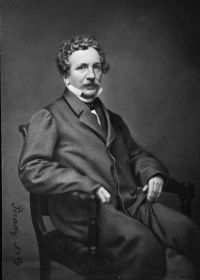
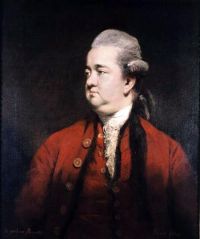
Theodosius I (347–395), the final Roman emperor to govern a unified empire, is famed for instituting Nicene Christianity as the official religion and navigating the Gothic War through strategic partnerships. Historians such as Edward Gibbon criticize his "effeminate manners," whereas Philip Schaff emphasizes his tactical skill in suppressing usurpers. W.R.W.
Stephens points out the intricate nature of his policies regarding the integration of barbarian groups, and J.M. Robertson draws attention to the ethical conflicts of his rule. Although revered as a protector of orthodoxy, contemporary scholarship focuses on his political flexibility and the precariousness of his legacy, as the ineffectual leadership of his sons accelerated the empire's fragmentation.