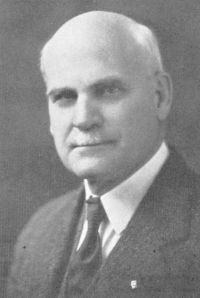
Titus Livius

Definition and stakes

Portrait of Benito Jerónimo Feijoo Benito Jerónimo Feijoo,  Essays, or discourses, vol. 2… (1780)

“ XIX. I have always admired Titus Livius, not only for his eminent discretion, method, and judgment, but also for his veracity. He does not conceal or dissemble the failings of the Romans, when in the course of his history they come in the way of his pen; but on the contrary he lays them open and exposes them; and what is more, at the hazard of offending Augustus, he highly extolled Pompey, and blazoned his character as preferrable to Cæsar’s, which in those times amounted to the same thing, as declaring himself a zealous republican. ”
Source: Gutenberg

Portrait of Niccolò Machiavelli Niccolò Machiavelli,  Discourses on the First Decade of Titus Livius

“ The bravery of the Gaul who on the banks of the Anio challenged any among the Romans to fight with him, and the combat that thereupon ensued between him and Titus Manlius, remind me of what Titus Livius oftener than once observes in his history, that “at the beginning of a fray the Gauls are more than men, but ere it is ended show themselves less than women.” ”
Source: Gutenberg

Portrait of Niccolò Machiavelli Niccolò Machiavelli,  Discourses on the First Decade of Titus Livius

“ CHAPTER LVIII.—That a People is wiser and more constant than a Prince
That “nothing is more fickle and inconstant than the multitude” is affirmed not by Titus Livius only, but by all other historians, in whose chronicles of human actions we often find the multitude condemning some citizen to death, and afterwards lamenting him and grieving greatly for his loss, as the Romans grieved and lamented for Manlius Capitolinus, whom they had themselves condemned to die.
”
Source: Gutenberg

Get perspective with Kwize: daily news enlightened by great literature