Tories (British political party)

Definition and stakes

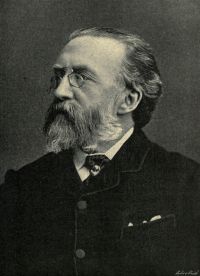
James Richard Joy Ten Englishmen of the Nineteenth Century

The defeat of the Tories in the first general election under the Reform Act was overwhelming. They mustered less than one-fourth of the House of Commons. It seemed to most cool political observers that the Whigs who now assumed office could not be displaced for a decade at least. The spirit of change was alive in all the nations of western Europe, and in England there seemed to be small need of a political party whose steady resistance to innovation was relieved only by the exceptions in which the party had espoused reform in extremity to save its own existence.
Source: Gutenberg

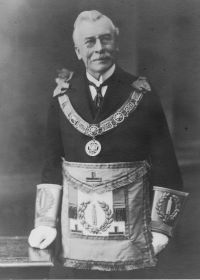
Portrait of Justin McCarthy Justin McCarthy Modern Leaders: Being a Series of Biographical Sketches

The Tory party has always, of late years, had to call in the aid of brilliant outsiders, political renegades, refugees from broken-down agitations, disappointed and cynical deserters from the Liberal camp, or mere adventurers, to fight their battles for them. It used to be quite a curious sight, some three or four years ago, when the Tories were, as they are now again, in opposition, to look down from the gallery of the House of Commons and see the men who did gladiatorial duty for the party.
Source: Gutenberg

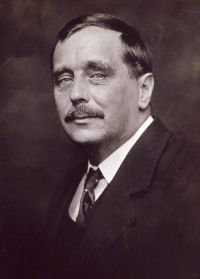
Portrait of Alfred Farthing Robbins Alfred Farthing Robbins Practical Politics; or, the Liberalism of To-day

Even if this be allowed—and, carried to its logical extent, it would justify every piece of “political legerdemain” (the phrase applied by Lord Salisbury himself to Mr. Disraeli’s Reform Bill) the Tory party has ever perpetrated, or may ever attempt—Liberals need not shrink from the test. For the Tories, as they have ever done, are now shrinkingly and fearsomely following in the paths the Liberals years ago laid down, with just sufficient deviation to prove that the old Adam of reaction is not dead.
Source: Gutenberg

Get perspective with Kwize: daily news enlightened by great literature