Treaty of Troyes

Definition and stakes

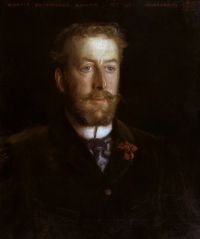
Portrait of Mark Twain Mark Twain Personal Recollections of Joan of Arc…

On the 4th of July we reached Saint-Fal, and yonder lay Troyes before us—a town which had a burning interest for us boys; for we remembered how seven years before, in the pastures of Domremy, the Sunflower came with his black flag and brought us the shameful news of the Treaty of Troyes—that treaty which gave France to England, and a daughter of our royal line in marriage to the Butcher of Agincourt.
Source: Gutenberg

Portrait of Lord Ronald Sutherland Gower Lord Ronald Sutherland Gower Joan of Arc

Had not even the English soldiers declared that, when attacked by the terrible Maiden, they had seen what appeared to be flights of white butterflies sparkling all around her form! How could these good people of Troyes hope to withstand such a power? To add to this fear, it was remembered by the citizens of Troyes that in it had been signed and concluded the shameful treaty by which Charles VII. had been disinherited from his crown and possessions. The people therefore gave in without further struggle.
Source: Gutenberg

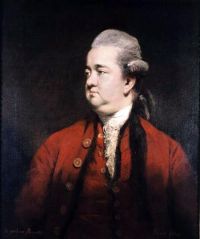
Portrait of Edward Shepherd Creasy Edward Shepherd Creasy 15 decisive battles of the world Vol 2 (1851)

The treaty of Troyes is concluded between Henry V. of England, and Charles VI. of France; and Philip, Duke of Burgundy. By this treaty it was stipulated that Henry should marry the Princess Catherine of France; that King Charles, during his life-time, should keep the title and dignity of King of France, but that Henry should succeed him, and should at once be entrusted with the administration of the government, and that the French crown should descend to Henry's heirs; that France and England should for ever be united under one king
Source: Wikisource

Get perspective with Kwize: daily news enlightened by great literature