Umayyad Caliphate

Definition and stakes

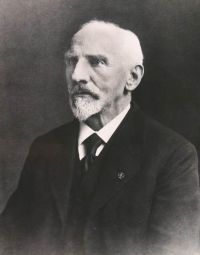
Philip Khuri Hitti,  Syria: A Short History (1959)

“ Despite his unparalleled contributions to the cause of Arabism and Islam, Muawiyah was no favourite with the Arab Moslem historians. Nor were his 'tyrannical' lieuten- ants. The explanation is not difficult to find. Most of those writers were Shiites or Iraqis or Medinese and thus anti- Umayyad. As historians they reflected the puritanical attitude which resented the fact that he was the man who secularized Islam and transformed the theocratic caliphate into a temporal sovereignty. He is blamed for several innovations abhorrent to pious conservatives. ”
Source: Wikisource

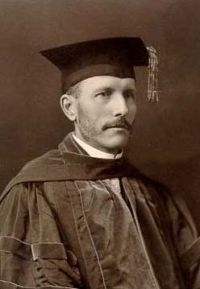
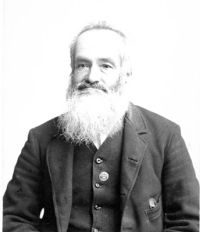
Portrait of Sir William Muir Sir William Muir,  Annals of the Early Caliphate (1883)

“ The multitude quieted down before the solemn words of Abu Bekr. But just then a messenger hurried up with the report, that the citizens of Medîna—the Ansâr, had assembled to choose for themselves a chief. The moment was critical. The unity of the faith was at stake. A divided power would fall to pieces, and all might be lost. The mantle of the Prophet must fall upon one successor, and on one alone. The sovereignty of Islam demanded an undivided Caliphate; and Arabia would acknowledge no master but from amongst the Coreish. The die must be cast, and at once. ”
Source: Gutenberg

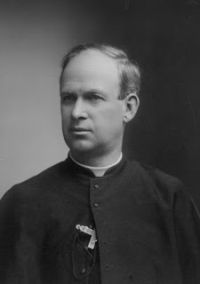
Portrait of William Muir William Muir,  The Caliphate: Its Rise, Decline and Fall…

“ A nation composed thus of ennobled soldiery, pampered, factious and turbulent, formed too often a dangerous element of sedition and intrigue. But, nevertheless, it was the real backbone of Islam, the secret of conquest, the stay of the Caliphate. Crowded harims multiplied the race with marvellous rapidity. The progeny of the Arab sire (whatever the mother) was kept sedulously distinct, so as never to mingle with the conquered races. ”
Source: Wikisource

Get perspective with Kwize: daily news enlightened by great literature