Unification of Germany

Definition and stakes

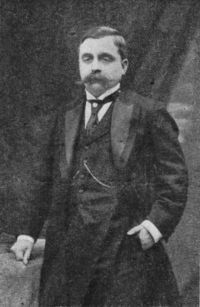
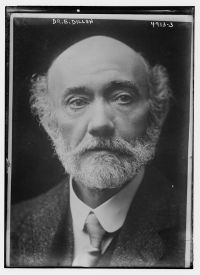
Portrait of Emile Joseph Dillon Emile Joseph Dillon,  The Inside Story of the Peace Conference

“ If Germany could not be broken up into a number of separate states, as in the days of her weakness, all the other European peoples in the territories concerned could, and should, be united against her, and at the least hindered from making common cause with her. The unification of Germany he considered a grave danger, and he strove to create a countervailing state system. ”
Source: Gutenberg

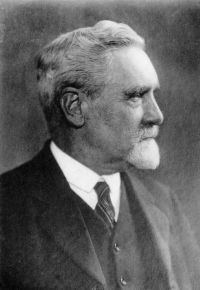
Portrait of J. Holland Rose J. Holland Rose,  The Development of the European Nations…

“ After the lapse of a generation that has been weighted with the cuirass of Militarism, we are able to appreciate the force of that remark. Equally true is it that the formation of the German Empire has not added to the culture and the inner [pg 154] happiness of the German people. The days of quiet culture and happiness are gone; and in their place has come a straining after ambitious aims which is a heavy drag even on the vitality of the Teutonic race. Still, whether for good or for evil, the unification of Germany must stand out as the greatest event in the history of the Nineteenth Century. ”
Source: Gutenberg

Various,  The New York Times Current History of the European War…

“ It is an unquestionable fact that the unification of Germany and the establishment of a strong German Empire, half a century ago, were brought about against the bitter opposition of France, and that the defeat incurred by France in 1870, in her attempt to prevent German unification, is at the bottom of the constant irritation that has agitated Europe during the last forty-three years. ”
Source: Gutenberg

Get perspective with Kwize: daily news enlightened by great literature