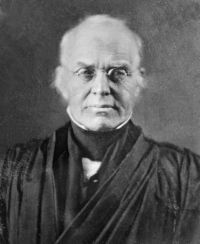
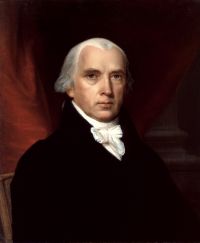
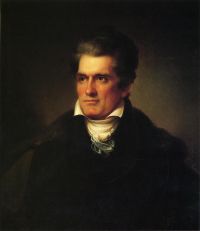
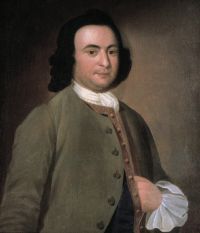
The United States House of Representatives, the lower chamber of Congress, wields essential legislative authority, including introducing revenue legislation and bringing charges of misconduct against officials, while representing citizens in proportion to population. Authors such as Joseph Story underscored its function as a direct expression of the people's will, safeguarding freedoms and ensuring public involvement.
Josiah Quincy pointed out its historical conflict between Northern and Southern factions, while Jefferson Davis emphasized its role in upholding constitutional rights. The House’s design, reconciling democratic representation with institutional consistency, illustrates ongoing discussions about governance, as reflected in its changing powers and duties.
 Jefferson Davis,
Speech to the Mississippi State Democratic Convention
(1859)
Jefferson Davis,
Speech to the Mississippi State Democratic Convention
(1859)