Upper Nile

Definition and stakes

1911 Encyclopædia Britannica (1911)

“ Even Speke (see below) congratulated himself on identifying the old Ptolemian range with the high lands to the north of Tanganyika, and connected the name with that of Unyamwezi, the “country of the moon.”
In the fourteen centuries after Ptolemy virtually nothing was added to the knowledge of the geography of the Upper Nile. Arab writers of the 12th and 13th centuries make mention of the great lakes, and their reports served to revive the interest of Europe in the problem of the Nile. Idrisi made both the Nile and the Niger issue from a great lake, the Niger flowing west, the Nile north.
”
Source: Wikisource

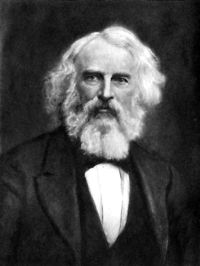
Portrait of Charles Dudley Warner Charles Dudley Warner,  My Winter on the Nile

“ The race is not to the swift. There is no swift on the Nile. But I do not know how there could be a more exciting race of eight miles a day!
At Erment is a large sugar-factory belonging to the Khedive; and a governor lives here in a big house and harem. The house has an extensive garden laid out by old Mohammed Ali, and a plantation of oranges, Yusef Effendis, apples, apricots, peaches, lemons, pomegranates, and limes. The plantation shows that fruit will grow on the Upper Nile, if one will take the trouble to set out and water the trees.
”
Source: Gutenberg

Portrait of Élisée Reclus Élisée Reclus,  Africa by Élisée Reclus/Volume 1 (1892)

“ The ancients asserted that the Nile had its source in the "Mountains of the Moon," and it is noteworthy that the southernmost affluents of the lacustrine system whence it escapes were met by Speke in the "Land of the Moon." But amongst these affluents is there one copious and large enough to be regarded as the main upper stream? This "head of the Nile" is still being sought, and as in the time of Lucan, no one can yet boast of having seen the farthest source of the Nile. ”
Source: Wikisource

Get perspective with Kwize: daily news enlightened by great literature