Vayu

Definition and stakes

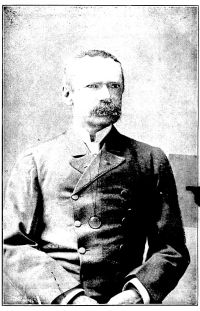
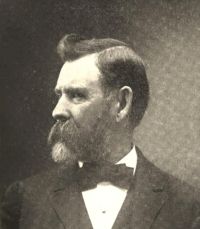
Arthur Berriedale Keith,  The Mythology of All Races/Volume 6 (1917)

“ So Vāyu is often linked with Indra, being, like him, a great drinker of soma, but Vāta is associated only with Parjanya, who is, like himself, a god of little but nature. Vāyu, the son-in-law of Tvaṣṭṛ, is swift of thought and thousand-eyed; he has a team of ninety-nine or even a thousand horses to draw his car; he drinks the clear soma and is connected with the nectar-yielding cow. Vāta rushes on whirling up the dust; he never rests; the place of his birth is unknown; man hears his roaring, but cannot see his form. He is the breath of the gods ”
Source: Wikisource

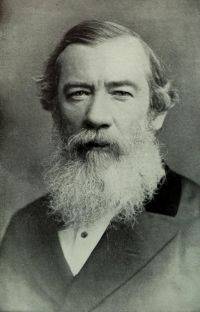
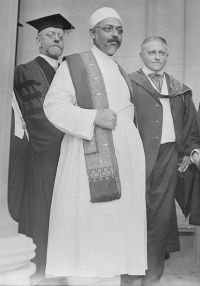
Portrait of Maneckji Nusservanji Dhalla Maneckji Nusservanji Dhalla,  History of Zoroastrianism (1938)

“ Vayu, or Vata, is the IndoIranian impersonation of wind. The terms Vayu and Vata arc variously used to represent either the wind or the genius of wind in both the Rig Veda and in the Avestan texts. Yet Vayu is chiefly the personification of the wind. As we have already seen, the whole of the Ram Yasht treats of the exploits of Raman's comrade Vayu. Vayu's wind is divided into two parts, the good and the evil. The wind is productive of good, but it also causes harm. That part of Vayu which is supposed to be the source of harm is branded as evil, and classed among Angra Mainyu's creations. ”
Source: Wikisource

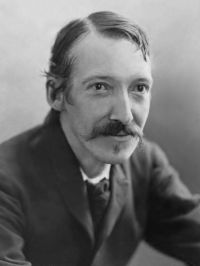
w:Sushruta,  Sushruta Samhita, Volume 1 (1907)

“ The deranged Vayu makes the secretions from an ulcer, seated in any of the seven abovesaid principles such as, the skin, flesh, veins, ligaments, bones, joints and the abdomen, respectively coarse, and rough to the touch, brown, grey, frosty, or white like the cream of curd, and coloured like the washings of an alkali, like that of meat or paddy husks. ”
Source: Wikisource

Get perspective with Kwize: daily news enlightened by great literature