Wang the Ninth

Definition and stakes

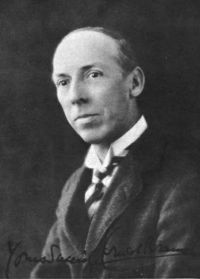
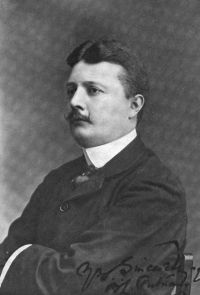
Portrait of B. L. Putnam Weale B. L. Putnam Weale,  Wang the Ninth: The Story of a Chinese Boy

“ Wang the Ninth was now no longer a child but a growing boy on whom his father cast jealous looks—as on so much capital that was not bearing due interest. Occasionally by dint of blows and wrathful utterances he made the youth work at the forge, seating him at the first glimmering of dawn before the bellows and watching him so closely that there was never a chance of his stealing away to indulge in his eternal pranks. ”
Source: Gutenberg

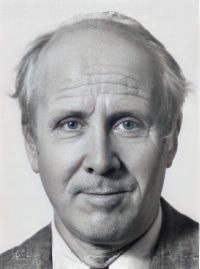
Portrait of B. L. Putnam Weale B. L. Putnam Weale,  Wang the Ninth: The Story of a Chinese Boy

“ In this way Wang the Ninth soon had every one's measure. He knew how much or how little each was worth, morally as well as otherwise.
One afternoon the head-groom, being in want of a companion, proposed that he should accompany him to a Fair. There were few things he loved more than the noise and excitement of moving crowds, and as for money he always made a loan from the person with whom he happened to be. So eating sugared crab-apples stuck on a bamboo-stick, he sauntered along making comments which showed shrewdness and humour.
”
Source: Gutenberg

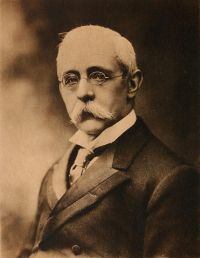
Portrait of B. L. Putnam Weale B. L. Putnam Weale,  Wang the Ninth: The Story of a Chinese Boy

“ Wang the Ninth, in the presence of death, cried aloud like a frightened animal and then ran to the door, shouting that his father was dead. He had never seen death come before—it came to [61] him as an injustice rather than a blow. He wished others to measure it as he measured it: wished them to realize the drama. But the neighbours were sunk in sleep and when he beat on their doors he only heard them stir and mutter that the fire-devils which prowl at night were around. Nothing would induce them to open although they must have plainly heard the boy's voice. ”
Source: Gutenberg

Get perspective with Kwize: daily news enlightened by great literature