William Grenville, 1st Baron Grenville

Definition and stakes

1911 Encyclopædia Britannica, Volume 12… (1911)

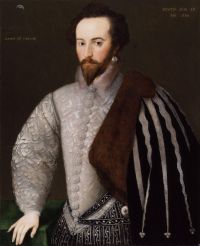
In February 1782 Grenville was returned to parliament as member for the borough of Buckingham, and in the following September he became secretary to the lord lieutenant of Ireland, who at this time was his brother, Earl Temple, afterwards marquess of Buckingham. He left office in June 1783, but in the following December he became paymaster-general of the forces under his cousin, William Pitt, and in 1786 vice-president of the committee of trade.
Source: Wikisource

1911 Encyclopædia Britannica, Volume 12… (1911)

He continued, however, to take part in public life, being one of the chief supporters of Roman Catholic emancipation, and during the remaining years of his active political career, which ended in 1823, he generally voted with the Whigs, although in 1815 he separated himself from his colleague, Charles Grey, and supported the warlike policy of Lord Liverpool.
Source: Wikisource

William Hunt The history of England, from the accession of George III. to the close of Pitt's first administration…

The election presented one noteworthy incident; Horne Tooke, though in holy orders, and consequently supposed to be disqualified, presented himself for election at Westminster; he retired before the close of the poll, and the question of the qualification of clergymen to sit in parliament was not decided until 1801. In consequence of the hostility of the chancellor, Pitt needed some one to lead his party in the lords, and chose William Grenville, the secretary of state for home affairs, who was created Baron Grenville. The expenses of the armament against Spain amounted to nearly £3,000,000
Source: Gutenberg

Get perspective with Kwize: daily news enlightened by great literature