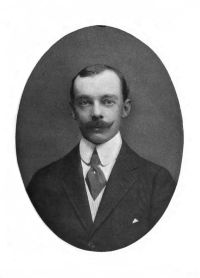
William Hardwicke

Definition and stakes

1911 Encyclopædia Britannica, Volume 5… (1911)

“ He died in 1557. Cavendish acquired large properties from the spoils of the monasteries, but in accordance with the wish of his third wife Elizabeth he sold them to purchase land in Derbyshire. This wife was the celebrated “building Bess of Hardwick,” daughter of John Hardwicke, of Hardwicke, Derbyshire; she completed the original building of Chatsworth House,—begun in 1553 by her husband,—of which nothing now remains. Her fourth husband was George Talbot, 6th earl of Shrewsbury. By her Cavendish had six children; an elder son who died without issue ”
Source: Wikisource

Portrait of Leslie Stephen Leslie Stephen,  Dictionary of National Biography… (1898)

“ William's guardians after his father's death were Charles Philip Yorke, fourth earl of Hardwicke [q. v.] , lord chancellor, and his maternal uncle, Hans Sloane, and he succeeded to the estate of Sewardstone, on the borders of Epping Forest, which had been the property of the family since 1673. He was educated at Harrow, but at the age of seventeen purchased a commission as ensign in the 10th dragoons, and, obtaining leave of absence, studied at the military academy of Angers. ”
Source: Wikisource

Portrait of Leslie Stephen Leslie Stephen,  Dictionary of National Biography… (1898)

“ In June 1737 he took part in the debate on the murder of Captain Porteous, and spoke in favour of the bill which had been passed through the House of Lords for the punishment of the provost and the abolition of the town guard of Edinburgh (Parl. Hist. x. 275–82) . On Sir Joseph Jekyll's death in August 1738 the office of master of the rolls was offered by Lord Hardwicke to Strange, who, however, declined it (Harris, Life of Lord Chancellor Hardwicke, i. 419) . He was elected recorder of the city of London in the place of Sir William Thomson [q. v.] ”
Source: Wikisource

Get perspective with Kwize: daily news enlightened by great literature