Wu Ti

Definition and stakes

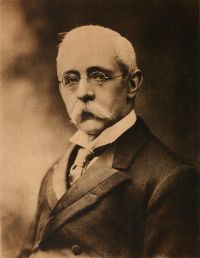
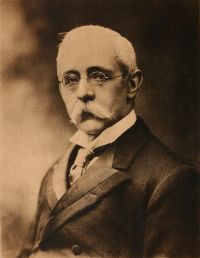
Portrait of Wolfram Eberhard Wolfram Eberhard,  A history of China., [3d ed. rev…

“ Wu Ti's active policy had not been directed only against the Hsiung-nu. After heavy fighting he brought southern China, with the region round Canton, and the south-eastern coast, firmly under Chinese dominion—in this case again on account of trade interests. No doubt there were already considerable colonies of foreign merchants in Canton and other coastal towns, trading in Indian and Middle East goods. The traders seem often to have been Sogdians. The southern wars gave Wu Ti the control of the revenues from this commerce. ”
Source: Gutenberg

Portrait of Wolfram Eberhard Wolfram Eberhard,  A history of China., [3d ed. rev…

“ Those who found the official life with its intrigues repulsive, occupied themselves with meditative Buddhism. The monks told of the sad fate of the wicked in the life to come, and industriously filled the gentry with apprehension, so that they tried to make up for their evil deeds by rich gifts to the monasteries. Many emperors in this period, especially Wu Ti of the Liang dynasty, inclined to Buddhism. Wu Ti turned to it especially in his old age, when he was shut out entirely from the tasks of a ruler and was no longer satisfied with the usual pleasures of the court. ”
Source: Gutenberg

E. T. C. Werner,  Myths and Legends of China

“ The worship continues even in modern times. The goddess is also represented as a stellar divinity, the star T’ien Ssŭ; as the first man who reared silkworms, in this character bearing the same name as the God of Agriculture, Pasture, and Fire; and as the wife of the Emperor Huang Ti.
The God of Happiness The God of Happiness, Fu Shên, owes his origin to the predilection of the Emperor Wu Ti (A.D. 502–50) of the Liang dynasty for dwarfs as servants and comedians in his palace.
”
Source: Gutenberg

Get perspective with Kwize: daily news enlightened by great literature