Alabaster

Definition and stakes

Isidore Kozminsky,  The Magic and Science of Jewels and Stones

“ Pure specimens of alabaster were also employed as milk-stone talismans. Oriental alabaster, known as the Algerian onyx, is a solid crystalline carbonate of lime, precipitated from water in stalagmitic form. This Oriental alabaster is considerably harder than true alabaster which is easily scratched. Pliny writes of columns of alabaster over thirty feet in height. In ancient times it was regarded as a species of onyx, and was made into cups, vases and other utensils. Pliny says that it was “of the colour of honey, opaque and spirally spotted.” ”

Source: Gutenberg

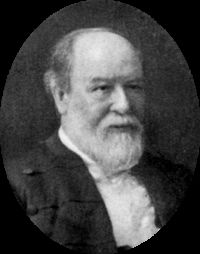
Portrait of Frederick William Rudler Frederick William Rudler,  1911 Encyclopædia Britannica (1911)

“ Oriental alabaster is either a stalagmitic deposit, from the floor and walls of limestone-caverns, or a kind of travertine, deposited from springs of calcareous water. Its deposition in successive layers gives rise to the banded appearance which the marble often shows on cross-section, whence it is known as onyx-marble or alabaster-onyx, or sometimes simply as onyx—a term which should, however, be restricted to a siliceous mineral. The Egyptian alabaster has been extensively worked near Suef and near Assiut; there are many ancient quarries in the hills overlooking the plain of Tell el Amarna. ”
Source: Wikisource

Get perspective with Kwize: daily news enlightened by great literature