Alpine flora

Definition and stakes

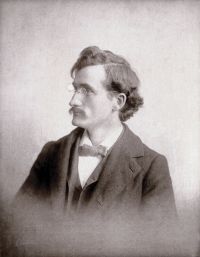
Portrait of Grant Allen Grant Allen,  Science in Arcady

“ All nature is dressed in its brightest robes. Great belts of blue gentian hang like a zone on the mountain slopes; masses of yellow globe-flower star the upland pastures; nodding heads of soldanella lurk low among the rugged boulders by the glacier's side. No lowland blossoms have such vividness of colouring, or grow in such conspicuous patches. To strike the eye from afar, to attract and allure at a distance, is the great aim and end in life of the Alpine flora.
Now, why are Alpine plants so anxious to be seen of men and angels?
”
Source: Gutenberg

Philip Lake and Howard Knox and W. A. B. Coolidge,  1911 Encyclopædia Britannica (1911)

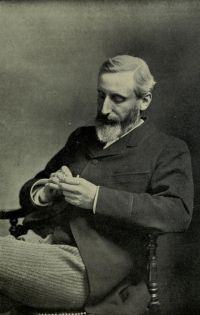
“ This relation of the arctic to the alpine flora is all the more remarkable in view of the very important differences between the arctic and alpine climates. The following circumpolar species are common, and widely diffused throughout the whole of the Alps: Silene acaulis, Dryas octopetala, Saxifraga oppositifolia, S. aizoides, S. stellaris, Erigeron alpinus, Azalea procumbens, Myosotis alpestris, Polygonum viviparum, Salix retusa, S. herbacea, Phleum alpinum, Juniperus nana. The proportion of northern forms, as regards both species and individuals, increases as we ascend to the higher regions. ”
Source: Wikisource

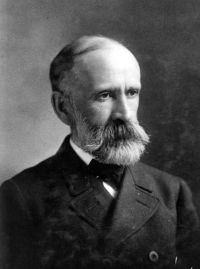
Portrait of Israel C. Russell Israel C. Russell,  North America

“ The most attractive features of an alpine flora, which springs into bloom as soon as the snow melts and forms a rapidly widening belt of colour as the margins of the snow-fields recede higher and higher, is the great profusion of brilliantly coloured blossoms. No sooner does the snow of winter melt than the moist ground becomes enamelled in brilliant colours on account of the springing up and quick blossoming of millions of hardy plants. ”
Source: Gutenberg

Get perspective with Kwize: daily news enlightened by great literature