Astronomical photography

Definition and stakes

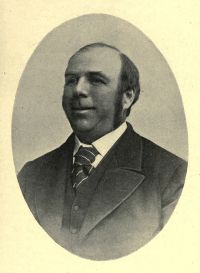
Portrait of Harold Jacoby Harold Jacoby,  Practical Talks by an Astronomer

“ The sensitive surface of the plate is substituted for the human eye. We then find on the picture a little dot corresponding to every star within the photographed region of the sky. But, as everyone knows, the turning of the earth on its axis makes the whole heavens, including the sun, moon, and stars, rise and set every day. So the stars, when we photograph them, are sure to be either climbing up in the eastern sky or else slowly creeping down in the western. And that makes astronomical photography very different from ordinary portrait work. ”
Source: Gutenberg

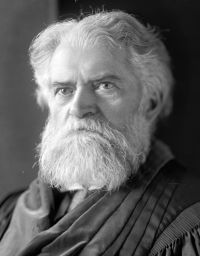
Portrait of Robert Stawell Ball Robert Stawell Ball,  In the High Heavens (1910)

“ At the present moment the attention of the astronomical world is especially directed towards the development of the resources of photography in the various applications which it has to their art. Already the camera has become an indispensable adjunct in the observatory, and we are every day learning more and more of what it can do for us. ”
Source: Wikisource

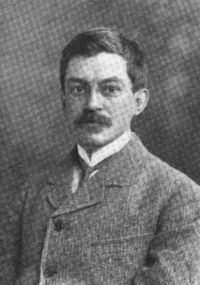
Mark Wicks,  To Mars via the Moon: An Astronomical Story

“ Referring to the photographs, it was pointed out that the human eye can see at least ten times as much as a photograph can show as regards planetary detail. This, though not generally known, is perfectly true, and it may be explained thus: We know that in terrestrial photography the camera will reveal many details which the eye is apt to overlook; and, by very long exposures, even celestial photography will give a similar result. In planetary photography, however, exposures must be very short, and the picture obtained is so very tiny that it cannot show all that the eye could see. ”
Source: Gutenberg

Get perspective with Kwize: daily news enlightened by great literature