Summary

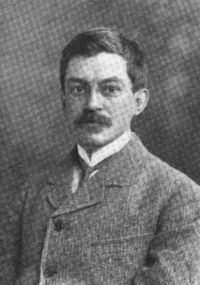
Portrait of Harold Jacoby Harold Jacoby Practical Talks by an Astronomer

A generation ago, men thought the "perfect science," for so we love to call astronomy, could advance only by increasing a little the exact precision of observation. The citadel of perfect truth might be more closely invested; the forces of science might push forward step by step; the machinery of research might be strengthened, but that a new engine of investigation would be discovered capable of penetrating where no telescope can ever reach, this, indeed, seemed far beyond the liveliest hope of science.
Source: Gutenberg

Portrait of Harold Jacoby Harold Jacoby Practical Talks by an Astronomer

New highways of science have been monumented now and again by the masterful efforts of genius, working single-handed; but more often it is slow-moving time that ripens discovery, and, at the proper moment, opens some new path to men whose intellectual power is but willingness to learn. So the annals of astronomical photography do not recount the achievements of extraordinary genius. It would have been strange, indeed, if the discovery of photography had not been followed by its application to astronomy.
Source: Gutenberg

Portrait of Harold Jacoby Harold Jacoby Practical Talks by an Astronomer

We know, of course, that men would profit greatly from a study of that science, even if it could not be turned to any immediate bread-and-butter use; for astronomy is essentially the science of big things, and it makes men bigger to fix their minds on problems that deal with vast distances and seemingly endless periods of time. No one can look upon the quietly shining stars without being impressed by the thought of how they burned—then as now—before he himself was born, and so shall continue after he has passed away—aye, even after his latest descendants shall have vanished from the earth.
Source: Gutenberg

Get perspective with Kwize: daily news enlightened by great literature