Canonization, the formal declaration of a deceased individual as a saint by a Christian communion, involves rigorous procedures to confirm their exceptional holiness and suitability for public veneration. Historically, the Catholic Church centralized this authority, shifting from local bishop-led recognitions to papal decrees, as seen in the tenth century.
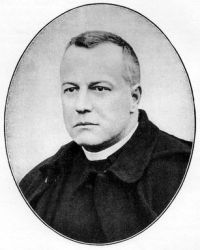
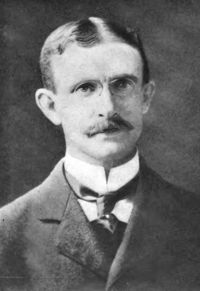
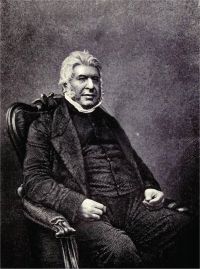
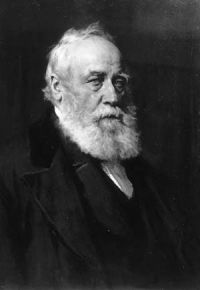
Scholars such as Hippolyte Delehaye emphasized its distinction from beatification, pointing out its irreversible nature and dependence on miracles. Joseph Bernhart underscored the thorough investigations that precede canonization, while Alban Butler described its ceremonial elements. The process, grounded in assessing virtues, miracles, and public reputation, highlights the Church’s role in validating saints as universal exemplars of faith.
 Hippolyte Delehaye,
1911 Encyclopædia Britannica
(1911)
Hippolyte Delehaye,
1911 Encyclopædia Britannica
(1911)